
Throughout spring and summer 2025 the Leeds central library will host an exhibition called Voice of the Fans, a celebration of football fanzine culture. This article looks back at fanzine development and what that means today
Fanzines in print form are now a bit a niche in the world of social media, online presence and instant likes. However, without fanzines much of what we see today might not have formed as it has, for sure it would have had a much different style.

Fanzines started in the realms of science fiction. The Comet is acknowledged as the earliest ‘true’ sci fi fanzine, published in 1930 by the wonderfully named ‘Science Correspondence Club.’ The first Sci Fi fanzine convention reportedly happened in the fair city of Leeds in 1937 though the word ‘Fanzine’ itself really appears only around 1940, thought to derived from the amalgamation of the word ‘Fanatic’ with magazine. (Hansen, 2023)
Sci fi fanzines remain a niche on their own but the focus of this article is the arrival of huge numbers of music and football fanzines in the 1970s and 80s and the influence that had on the UK media.
Perhaps before we go any further, we need to consider what is/was a fanzine in the context of this article. In the author’s view they must fulfil three criteria
- By fans, totally independent of their subject
- Be self-published
- Use amateur, unpaid contributors
Football supporters’ clubs had been publishing magazines separate from the matchday programme a long time before fanzines existed. Gunflash was first published by the Arsenal supporters club in 1949 for example. However, these magazines were funded by and never critical of clubs, they were there to promote clubs. Perhaps that’s a simpler definition of a fanzine for the modern age, not part of the brand.
Consider these names; 606 (or any football phone in), Irvine Welsh, Neil Forsyth, Trainspotting, TalkSPORT, Danny Baker, Loaded, Pete Paphides, GQ, James Brown, 5Live, Adrian Goldberg, Alan Pattullo and GLR. If you are even vaguely familiar with literature, radio, magazines and various aspects of the entertainment industry over the past 40 years you will know these names, shows, magazines and brands. Most of them have at least a part of their origin story in fanzines.

The first true independent football fanzine we’ve been able to trace is a Celtic ‘zine called The Shamrock, published as early as 1962 by an Edinburgh based supporter of Celtic. The first general football fanzine, Foul, came along in 1972 but neither of these lasted too long.
So what was the different in the 70s and 80s that allowed fanzines to breathe and prosper? What really changed was the anyone can have a go mentality which started in the 60s as people began thinking that there was more to the life than working in a bank and then really exploded with the ethos of the punk era. Punk itself was a short-lived phenomenon and its long-term influence on music has been debated elsewhere but the change in mindset it engendered has endured.
The 70s and 80s were a time of tremendous social upheaval in Britain; the economy was a mess and old social/business norms were falling away for a variety of positive and negative reasons. Football supporting was a microcosm of this, fans were painted with a broad brush through very critical eyes focussed on a minority of supporters causing problems. That’s not to say hooliganism and racism weren’t real aspects of society that had an outlet on the terraces but the vast majority of the millions of people attending football were not a part of this. Clubs were run as fiefdoms by people who saw them as a cash cow with little regard for the safety or comfort of fans and the way clubs communicated was pitiful. The printed press was largely a compliant mouthpiece, and the match day magazine might have a brief, ghost-written column by the manager but that was it.
Nowadays all seater stadiums are king, quite rightly for comfort and safety reasons but curtailing atmosphere and character. Prohibitively expensive tickets and fan engagement through social media are the norm rather than atmosphere and entertaining football with unlikely heroes. By the same token, people who think watching football in the 70s & 80s was ‘better’ are missing the point, there were so many things wrong. Much as I enjoy a comfy seat and terrace life could be very funny and communal it was grim at times.

Fanzines numbers exploded, some of the more successful zines were selling upwards of 20,000 editions a time and more still exist in print form than you would imagine. Bradford City’s, The City Gent is still here, one of the oldest continuously produced fanzines around and still manages to sell 700+ editions when published. Remarkably, The Gent has outlived the Bradford City match day magazine, not published for a couple of years now.
At the opposite end of the scale there were fanzines like the one edition “Tomato Soup and Lentils” (no, no idea!), a joint Leeds United and Arbroath fanzine. I think this came about because someone from Arborath moved to Bradford for university but who cares, the cover alone is worth it depicting an Arbroath smokie and a Peacock. Someone decided there was a market for this and off they went.

Fans had discovered a way to talk to each other as you did in the pub or on the coach. An amalgam of the serious and funny with articles giving fans a voice, an alternative, a means to have a laugh, a means of protest pushing back against Thatcherism, racism, homophobia and the general malaise besetting the country at the time. City Gent and TSAL were just two of many. The scope, scale and diversity of football fanzines will be the subject of another blog.
Self-publishing was enabled by changes in “technology”. The printing and copying devices now available created a sort of 2nd Gutenberg moment, publication became “free” again. These changes are often overlooked but the move from Mimeographs to Letraset, Gestetners, risograph printers and Roneo machines, then onto photocopiers was a huge shift and played a massive part in enabling scores of ‘proto’ writers to live out their dream without worrying about publishers, costs and in some cases too many strictures around grammar and spelling.
Danny Baker spoke about the DIY production of the Sniffin’ Glue fanzine in a Guardian interview (Baker, 2019) “There would be thousands of copies of each page arranged in piles on a table. We’d come back from a night out at the Roxy, do a line of speed and walk round the table all night, taking a page from each pile. You’d get to the end, put a staple through them, then start again. In the morning, you’d have 10,000 Sniffin’ Glues.” For clarity, the use of stimulants varied from fanzine to fanzine!

Danny Baker cut his teeth with a music fanzine before moving on to NME and a variety of TV roles before creating the Football phone in on the fledgling 5Live. One minute Danny Baker was reviewing bands in a self-published fanzine with a mate, the next he was all over the TV and radio. His style may not be for everyone but it’s one that has been copied many times. Perhaps the most influential period of his career was as the original host of 606 in 1991. The difference about his shows was that he often ignored the games that had been played, instead inviting audience participation about obscure but amusing topics, the sort of conversations and ‘banter’ so beloved of football fans in the pub and on the coaches before and after games or on the terraces. Sounds familiar? It became the staple of Soccer AM, 5Live, Talk sports and a whole host of imitators and still persists today on 606 despite the show going through a broad array of presenters in the past 30+ years
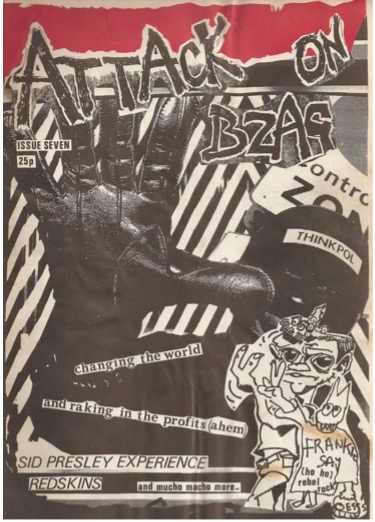
At 17 James Brown was a contributor to the magnificent Leeds Other Paper (Every edition is available at The Leeds Central Library and Tony Harcup’s excellent blog is linked below) At the time Brown ran his own fanzine Attack on Bzag, and because of this he was offered work for Sounds magazine before moving to NME. He is best known for launching Loaded magazine in 1994. The “lads” format magazine that changed publishing in the UK forever, Brown himself describes it as being “Like a cross between “Withnail and The Likely Lads.” (Brown, 2023). It was brash, loud and unapologetic in its love of football, music, clothes and the famous, tipped its hat to Hunter S Thompson in the style of reporting and broke the mould for print magazines. Brown went on to edit GQ and bought Viz before continuing a hugely varied and successful career in internet, film and print media. He would return to his fanzines beginnings when he styled and edited the Leeds United in house magazine Leeds Leeds Leeds in the noughties.
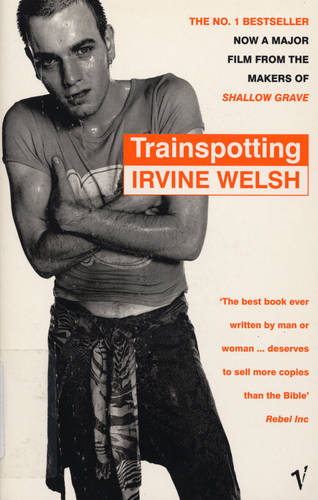
Irvine Welsh produced many articles for the fanzine Hibs Monthly under various pseudonyms whilst developing his first novel Trainspotting. His articles included two Hibs themed pub crawls, a list of the best fast-food spots in Edinburgh, arguments against a proposed ground move, an article about “Ugly bastards of Scottish football” and spoofs such a “Obese Jim Baxter”. Basically, the very definition of fanzine culture. Trainspotting had an immediate and lasting effect on popular culture, fashion and attitudes towards drugs. ‘Heroin chic’ became and remains a thing. The style and quality of his writing was already clear to see in these articles and fanzines gave him the time and freedom to develop his style.

Think of the influence that has on the media today. The voice of the fan taken straight from the pages of a fanzine and given a voice on national radio. Think about Talk Radio and 5Live’s daily content of callers’ views? Football fanzines were in essence Talk Radio on a page. The face of radio broadcasting has been shaped by the “Anyone can do it” ethos. Heroin chic and lad/ladette culture are still with us today.
Final Thoughts
Would all these things have happened without fanzines? Possibly but the link to the style and tenor and for sure opportunities that arose for Welsh, Baker, Brown et al can clearly be linked to fanzine growth. The scope and scale of change driven in media and publishing by these three alone is truly breathtaking and there are many more, Alan Patullo, respected Scottish journo at The Scotsman produced a Dundee fanzine called Eh Mind O’Gillie. Robert Elms, a keen QPR fan wrote for the incredibly titled Jihad fanzine before a hugely successful career in radio and publishing. In music, Pete Doherty, Peter Hooton, Martin Fry and Norman Cook were all involved in fanzines before becoming famous singers and musicians. We’ll come back these fanzines in later blogs. Darryl Hunt and Phil Chevron, bassist and guitarist of The Pogues used to sell Nottingham Forest fanzines. Barney Ronay was writing for When Saturday Comes long before his deserved success as an author of several great football books and columnist for the Guardian. Steve Lamacq’s fanzine Pack of Lies morphed into work in Select and NME before he became the primetime Radio 1 DJ.

The hooks, links and connections from the explosion in fanzines and the culture that developed from them are everywhere around us, on the radio, in film, on TV, in fashion, publishing, everywhere. The creation of the many thousands of fanzines that happened 50 years ago came from many things, frustration, protest, obsession, simply wanting to communicate, a sense of community. The influence of these fanzines is still felt daily, a crucial part of our cultural history.
Come and see us physically at the library or metaphorically via the blogs at https://footballfanzineculture.blog/ or on facebook https://www.facebook.com/profile.php?id=61574821671052 or Bluesky @fanzinefc.bsky.social
(Hansen, 2023) https://podcasts.apple.com/gb/podcast/the-fanzine-podcast/id1586027132?i=1000635657767
(Baker, 2019) https://www.theguardian.com/music/2019/dec/10/how-we-made-sniffin-glue-punk-fanzine
(Brown, 2023) https://www.standard.co.uk/lifestyle/james-brown-loaded-lads-mags-nuts-zoo-fhm-russell-brand-sexism-b1108645.html
Leeds other Paper; https://radpresshistory.wordpress.com/tag/leeds-other-paper/

 Football Fanzine Culture
Leave a reply to You may remember me from such fanzines as.. – Football Fanzine Culture Cancel reply